
Why This Matters for Breast Pump Applications
Milk Fat, Oils and Transparent Materials: An Often-Overlooked Design Consideration
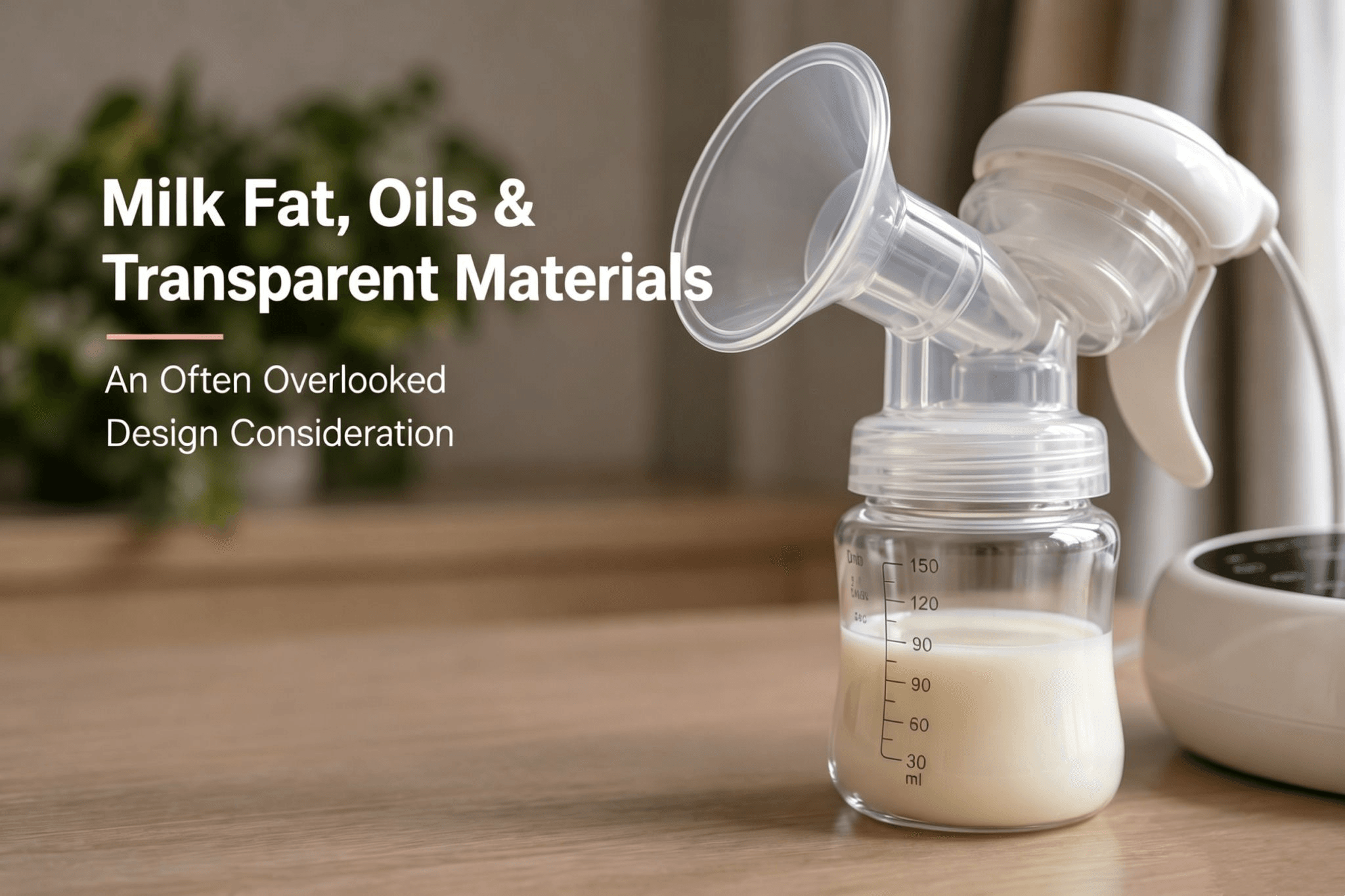
When selecting transparent materials for food-contact products, one important factor is sometimes overlooked:
How does the material behave when exposed to oils and fats over time?
Many transparent copolyester materials are based on polyester chemistry. Their molecular backbone contains ester groups (-COO-), which may be susceptible to swelling and environmental stress effects when exposed to certain oils and grease-containing environments. This interaction is associated with two commonly discussed failure mechanisms: physical swelling and environmental stress cracking (ESC).
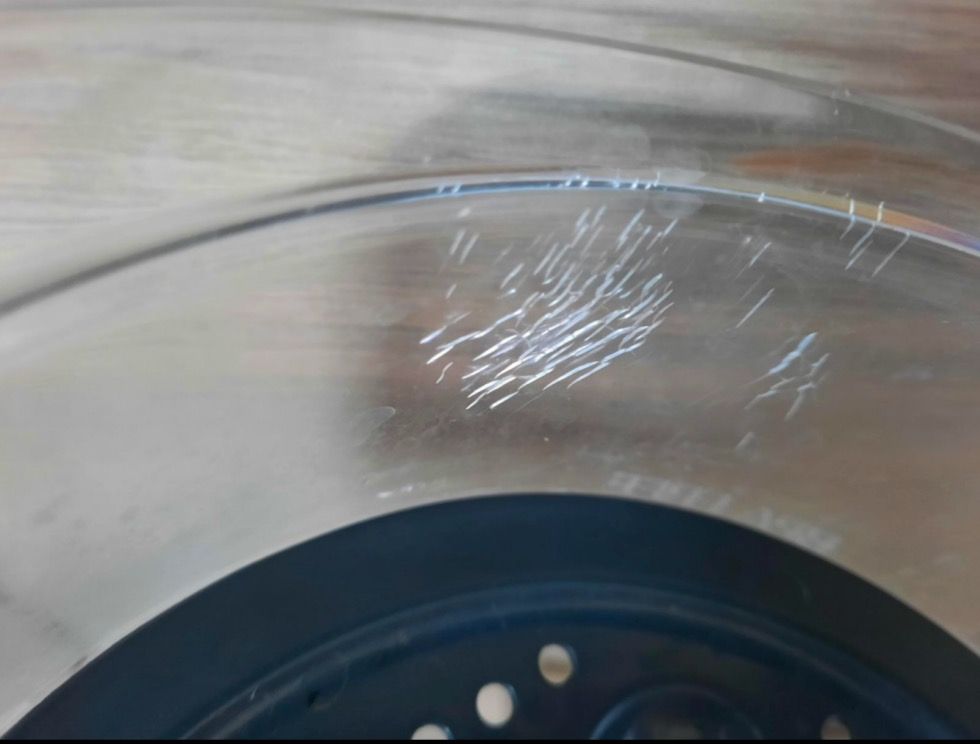
Stress cracking of certain transparent plastics caused by poor resistance to oils and fats
However, it does suggest that oil exposure should be considered during material selection, particularly when products are expected to contact:
• Vegetable oils
• Animal fats
• Essential oils
• Oil-based cleaning agents
• Food simulants such as olive oil used in regulatory testing
These are all examples identified in food-contact and material evaluation environments.
Why does this matter?
Because regulatory attention is increasingly focused on fatty-food applications.
China's GB 31604.61-2025 introduces specific migration requirements for copolyester materials intended for contact with fatty foods.
Similarly, EU food-contact compliance testing may require the use of fatty food simulants such as olive oil (D2) for relevant applications.
Why This Matters for Breast Pump Applications
Breast milk is not simply water.
It contains lipids (milk fat) as one of its major nutritional components.
For engineers developing breast pump systems, collection cups, milk-contact components and storage accessories, material selection often involves more than transparency and appearance.
Considerations may include:
• Long-term exposure to milk fat
• Repeated cleaning cycles
• Sterilization requirements
• Mechanical stress during assembly and use
• Food-contact compliance requirements
In other words, material selection should be based on the actual operating environment rather than appearance alone.
Looking Beyond Transparency
At BEIANDE, we have seen growing interest in transparent PA materials for applications involving repeated contact with oils, fats and food substances.
One reason is that polyamide-based material systems interact differently with oils compared with polyester-based transparent materials. However, the suitability of any material should always be verified through application-specific testing and validation.
For engineers, the key question is not:"Which material is best?"
but rather:"Which material is best suited for the environment in which the product will operate?"
Understanding the interaction between materials and real-world applications is often just as important as transparency, impact strength or cost.