
When evaluating transparent materials, what is usually your highest priority: Safety, durability, cost, or appearance?
Material Selection for Breast Pumps: It's About More Than Transparency
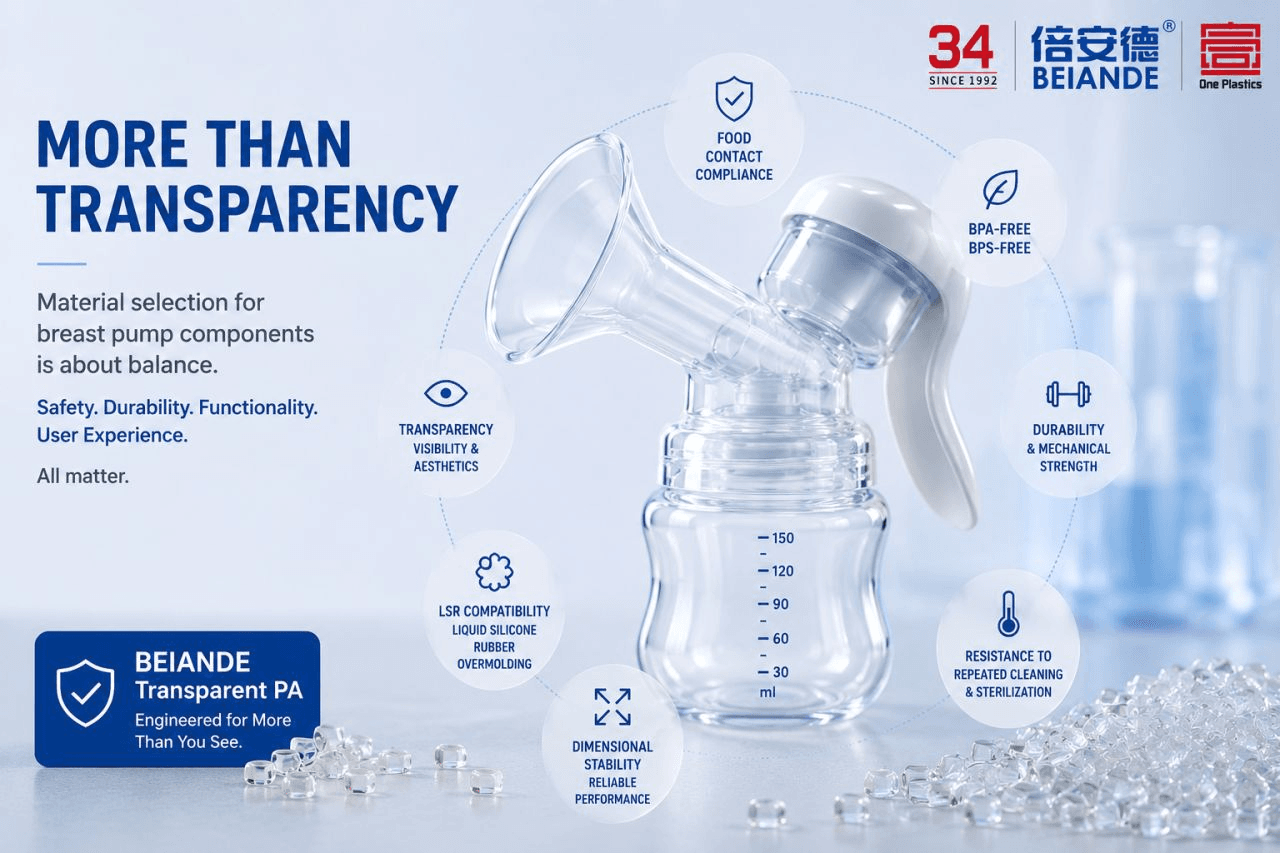
When people see transparent PA in breast pump components, the first assumption is often: "It was selected because it looks clear."
In reality, transparency is usually only one part of the material selection process.
For breast pumps, engineers often need to balance several requirements simultaneously:
• Food-contact compliance
• BPA-free and BPS-free material considerations
• Mechanical strength and durability
• Resistance to repeated cleaning & sterilizing cycles
• Dimensional stability
• Transparency for product appearance and fluid visibility
• Compatibility with liquid silicone rubber (LSR)
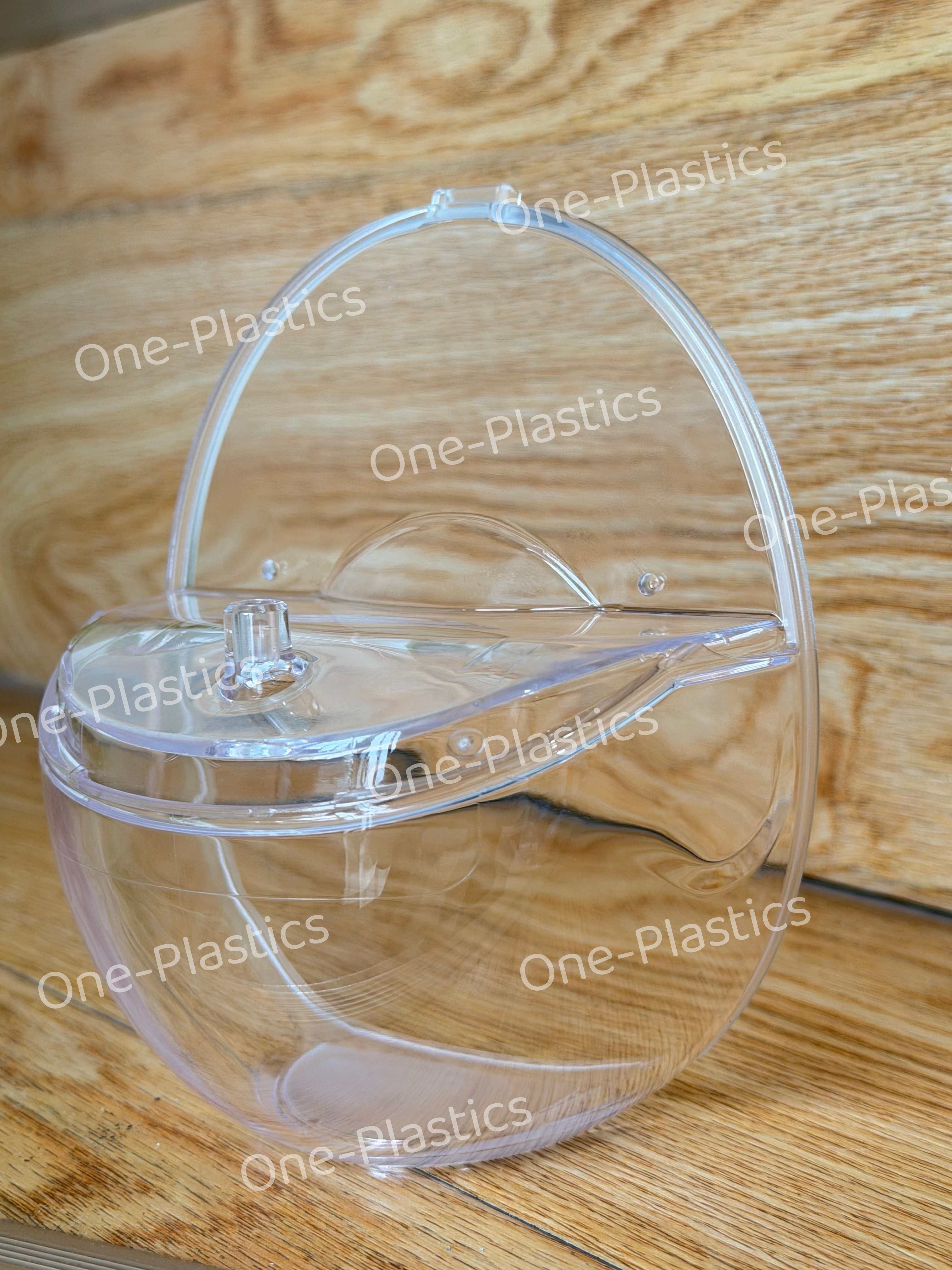
The challenge is that improving one property can sometimes compromise another.
A material may offer excellent transparency but limited structural performance.
Another may provide outstanding heat resistance but reduce design flexibility or increase cost, like LSR ability, or may increast the risks of Bisphenols.
This is why material selection for breast pump components is rarely driven by transparency alone.
The real goal is to achieve the right balance between safety, durability, functionality, and user experience.
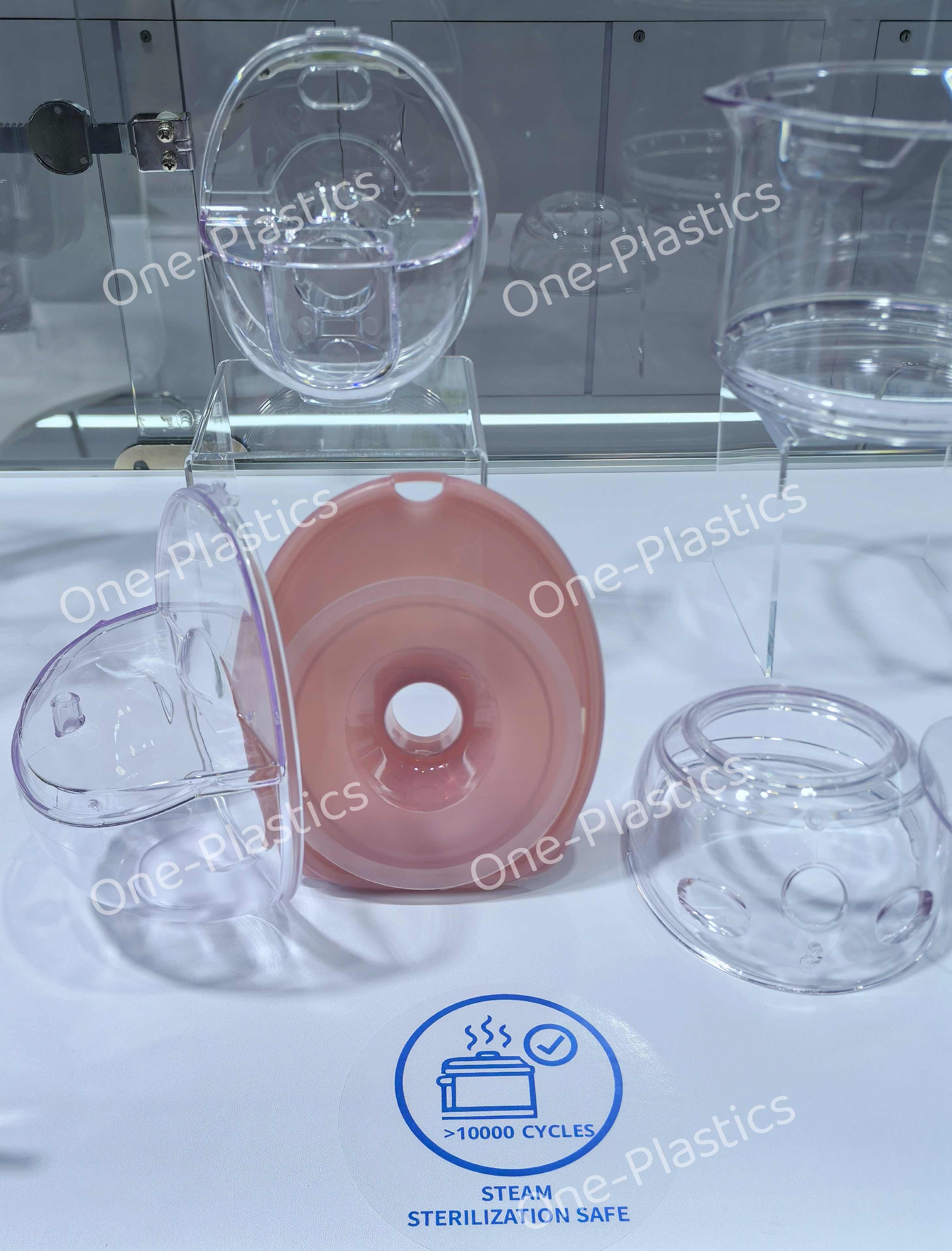
At BEIANDE, we continue to see growing interest in transparent PA materials for breast pump applications, where safety, durability, transparency, and regulatory considerations must all be balanced simultaneously.
When evaluating transparent materials, what is usually your highest priority: Safety, durability, cost, or appearance?